Rustic kitchens have managed to stay on-trend thanks to their timeless charm and the sense of warmth they convey. In Madrid, where the fusion of the modern and the traditional is key in interior design, opting for a rustic kitchen can be the best decision to achieve a cozy and functional space. In this guide, we will explore the best ideas, materials, and layouts to achieve the perfect rustic kitchen.
Table of Contents
- 1. Find inspiration for your rustic kitchen
- 2. Materials and finishes for an authentic aesthetic
- 3. How to lay out a rustic kitchen efficiently?
- 4. Colors and styles: From white to Provençal style
- 5. Details that make the difference in a rustic kitchen
- 6. How to integrate the rustic with modern technology
- 7. How much does it cost to renovate a rustic kitchen in Madrid?
1. Find inspiration for your rustic kitchen
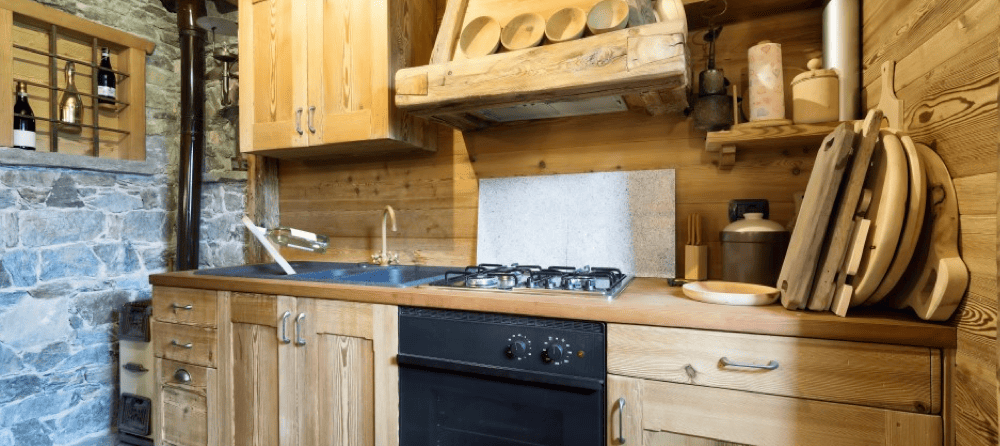
The first thing you need is to define what type of rustic kitchen fits your home. There are different approaches within the rustic style:
- Classic rustic: With a predominance of solid wood, warm colors, and wrought iron details.
- Modern rustic: Combination of natural materials with state-of-the-art appliances.
- Minimalist rustic: Cleaner designs, with light wood and few decorative elements.

2. Materials and finishes for an authentic aesthetic
The success of a rustic kitchen depends largely on the materials used. Some of the most recommended are:
- Solid wood: Present in cabinets, beams, and countertops.
- Natural stone: Ideal for countertops and wall cladding.
- Aged tiles: Provide a traditional and artisanal touch.
- Wrought iron: Used in lamps, handles, and chairs.

3. How to lay out a rustic kitchen efficiently?
The rustic style is not at odds with functionality. The key is to choose a layout that suits the available space:
- L-shaped kitchens: Allow for optimal use of space and facilitate movement.
- Kitchens with an island: Ideal for large kitchens, they provide a central workstation.
- Open kitchens: Connected to the dining room or living room, they create a cozy and social environment.

4. Colors and styles: From white to Provençal style
Color defines much of a rustic kitchen's personality:
- Rustic white: Adds brightness and a sense of spaciousness.
- Warm colors: Earthy and beige tones reinforce the warmth.
- Provençal style: Combination of aged white, lavender, and blue details.
Photo suggestion: White rustic kitchen with Provençal touches.
5. Details that make the difference in a rustic kitchen
The charm of the rustic style is in the small details:
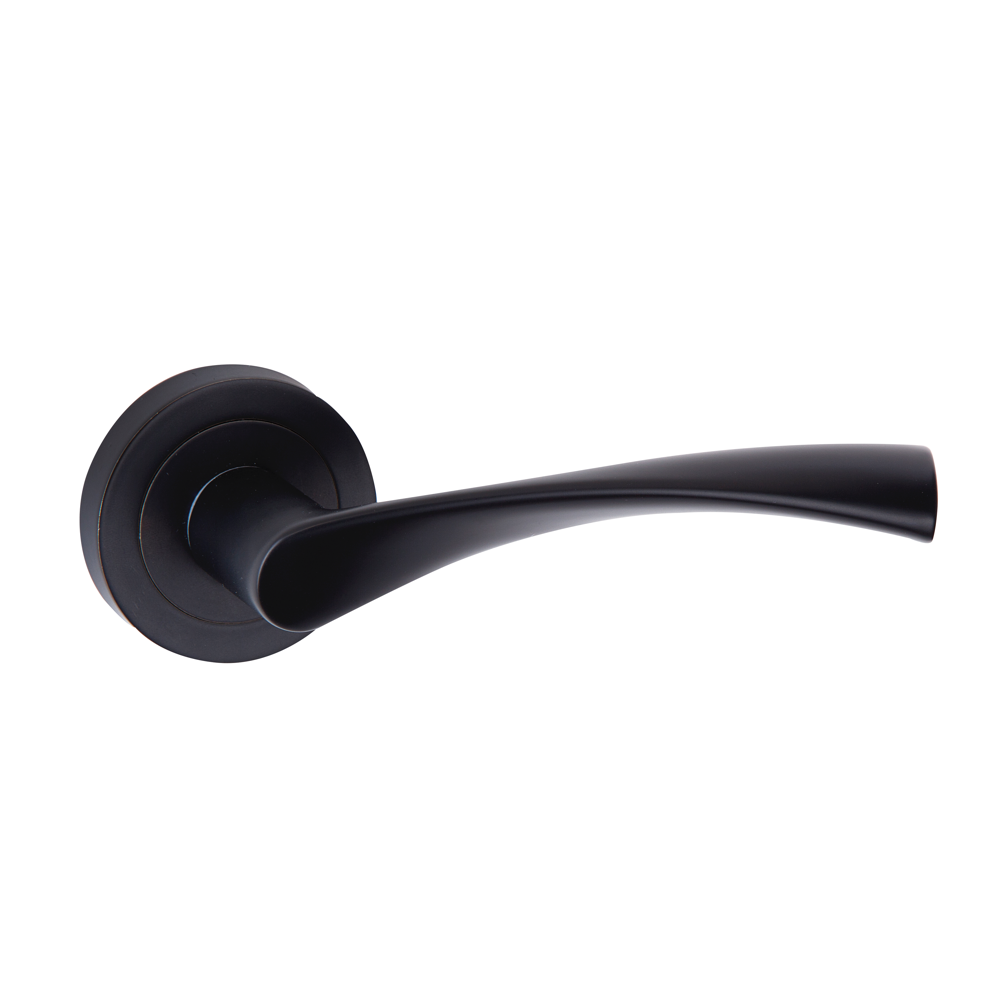
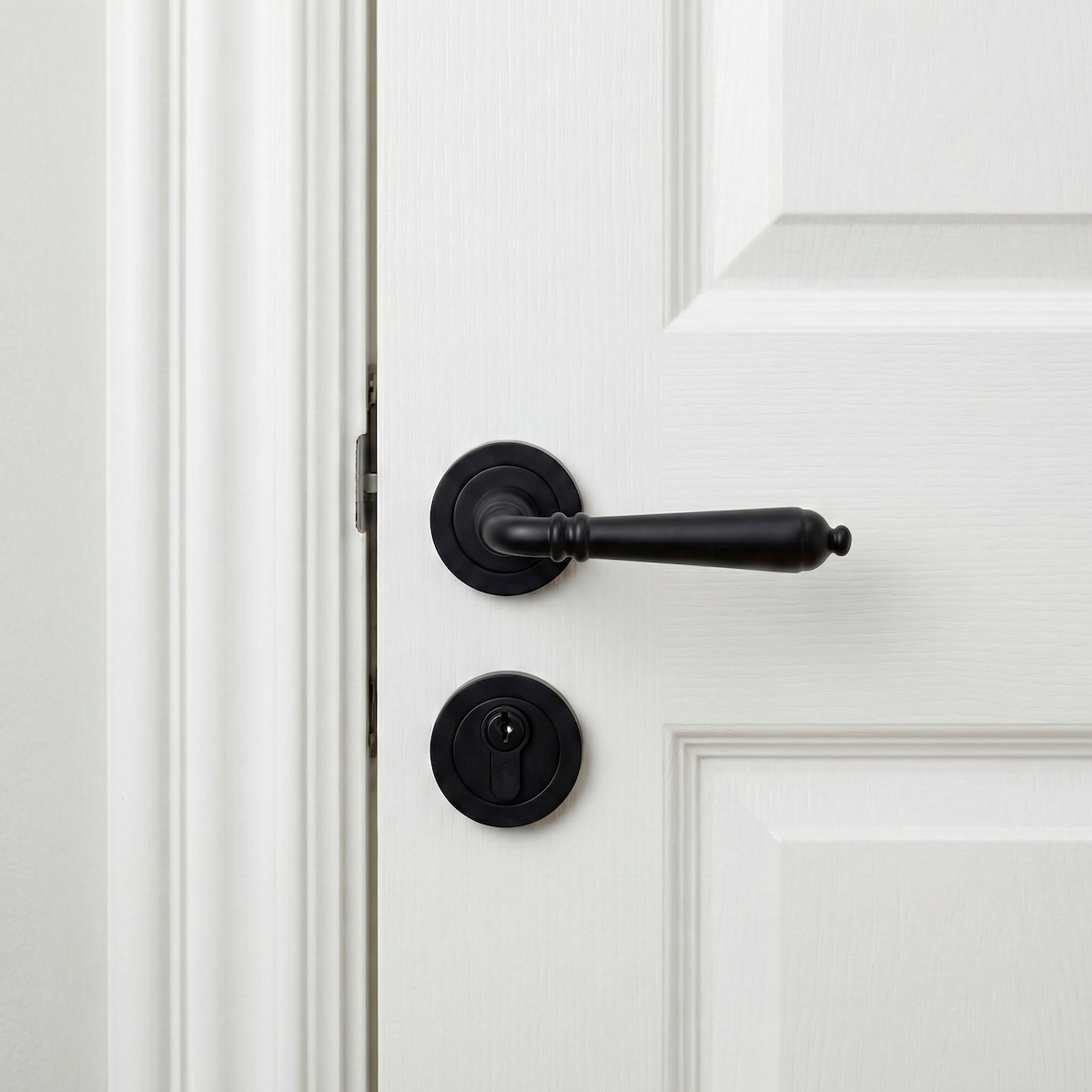
- Doors and drawers with wrought iron handles.
- Open shelving with ceramic tableware on display.
- Warm lighting with hanging iron lamps.
6. How to integrate the rustic with modern technology
A rustic kitchen doesn't have to sacrifice modern comforts. You can include:
- Stainless steel appliances with a vintage look.
- Motion-sensor faucets in rustic finishes.
- Treated wood countertops for greater durability.

7. How much does it cost to renovate a rustic kitchen in Madrid?
The budget for a rustic kitchen depends on the size of the space, the materials selected, and customized finishes. Here is a price estimate based on square meters:
- Small kitchen (5-7 m²): from €7,000
- Medium kitchen (8-12 m²): between €10,000 and €18,000
- Large kitchen (+12 m²): starting at €20,000
These prices include cabinetry, countertops, appliance installation, and finishes using high-quality rustic materials. If you are looking for a complete renovation with a custom design, costs may vary depending on the level of personalization.